Your eight-week-old kitten seems healthy, playing and eating well, but you have heard conflicting advice about when to start veterinary care. Some people say to wait until the kitten is older, while others insist on getting in right away. The reality is that kittens face health challenges during their first year that adult cats simply do not encounter, and the timing of care can make a real difference in how they develop and what problems you avoid down the road. Whether you have a newborn kitten that fits in the palm of your hand or an eight-week-old ready for their first exam, early attention to kitten healthcare sets the stage for everything that follows.
Kitten Care
What You Need To Know About Kitten Care
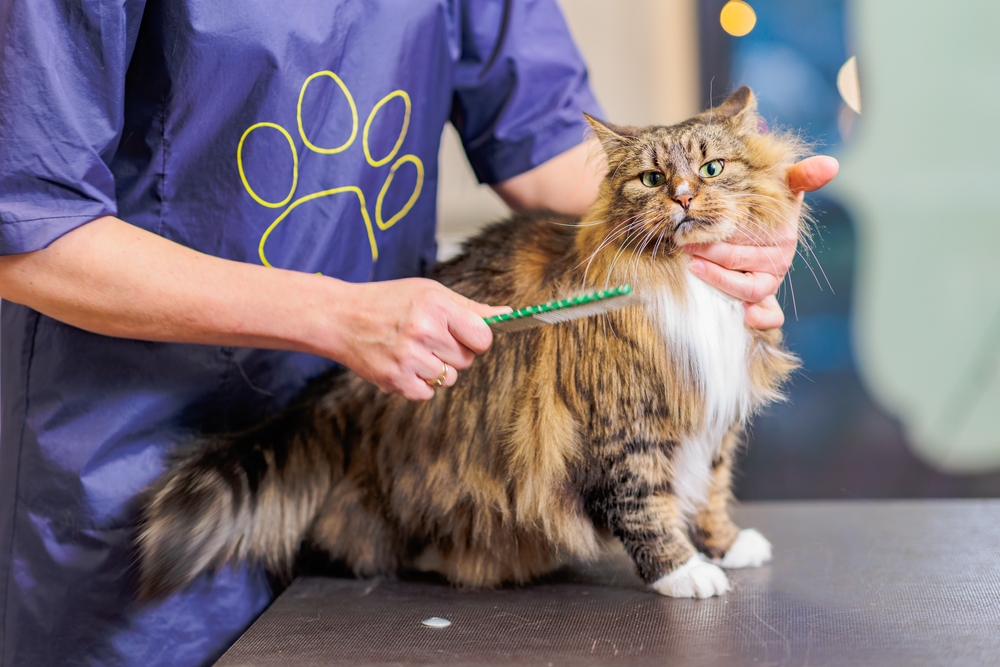
Kitten care refers to the specialized medical approach designed for cats from birth through their first year of life. It accounts for the rapid developmental changes happening during this stage, including immune system maturation, growth milestones, and organ development. The care involves a timed vaccination series that works with the kitten’s naturally declining maternal antibodies, health screenings that catch developmental abnormalities early, and a deworming schedule and parasite prevention built around young cats’ higher susceptibility.
Unlike routine adult cat care, the first year operates on a faster timeline because kittens go through critical windows that do not repeat. Their immune systems change significantly every few weeks during those early months, which is why timing matters so much for routine vaccinations and other interventions. Early care also includes behavioral guidance during key socialization periods when kittens are most receptive to learning how to respond to handling, reading body language cues, and adjusting to new environments, litter box training, and water bowls.
Benefits of Kitten Care
Protection Against Serious Juvenile Diseases
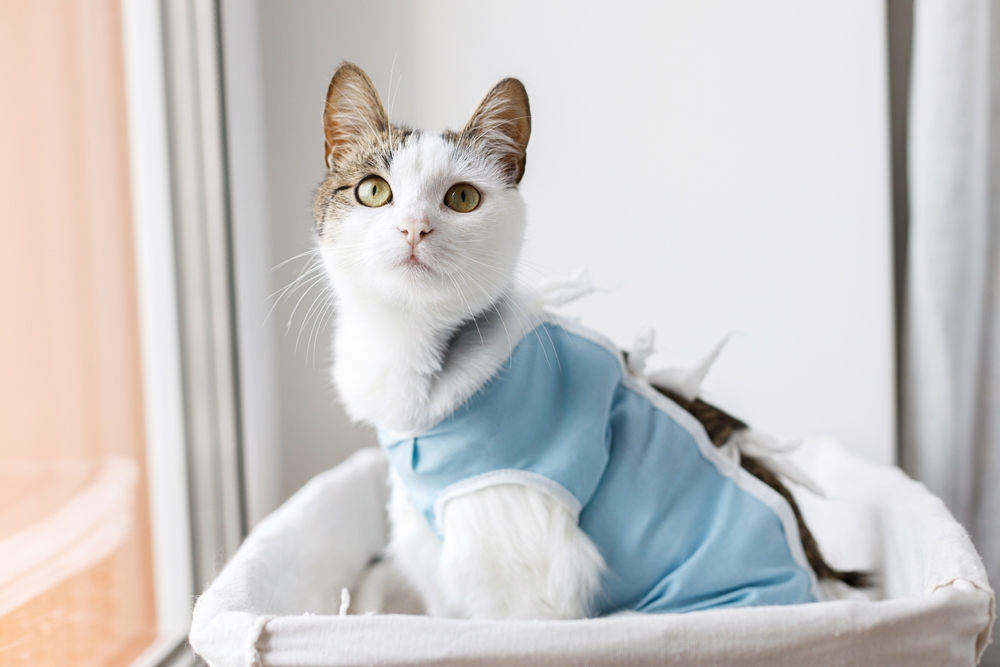
Young cats face illnesses that rarely affect healthy adult cats, including feline panleukopenia and respiratory infections that can be fatal within days. Getting routine vaccinations timed correctly builds immunity during the window when maternal antibodies are fading but before significant environmental exposure occurs. This is especially important for neonatal kittens and those adopted through shelters with adoptable cats, where exposure risk is higher from the start.
Catching Growth and Developmental Issues Early
Regular monitoring during rapid growth phases catches nutritional imbalances and developmental changes before they create lasting problems. Professional oversight helps confirm that growth milestones and physical development are tracking correctly for your kitten’s breed and size. That foundation reduces the risk of adult health issues like joint problems, dental abnormalities, and metabolic conditions that often trace back to early developmental gaps.
Keeps Your Pet Active and Comfortable
Heartworm disease causes exercise intolerance, chronic coughing, and labored breathing as the cardiovascular system struggles under the burden of worm obstruction. In advanced cases, chest x-rays reveal enlarged hearts and changes to the lung tissue that reflect how far the disease has progressed. Pets on consistent heartworm prevention keep their ability to run, play, and move comfortably throughout their lives. For active pets and working animals, that quality of life difference is significant.
Early Detection of Congenital Conditions
Many inherited health problems only become apparent during the first year, which is why regular professional evaluations matter early on. Heart defects, eye abnormalities, and neurological conditions often show subtle early signs that owners understandably miss but trained veterinarians can identify. Catching these issues early opens up more treatment options and allows for lifestyle adjustments that significantly improve long-term outcomes.
Building Positive Habits During Key Learning Periods
Kittens have specific windows when they form lasting behavioral patterns around handling, grooming, litter box usage, and medical procedures. Guidance during these periods helps establish responses that make routine care easier throughout their adult life. This early conditioning, combined with proper introduction to litter trays and water bowls, is one of the quieter but genuinely important benefits of consistent kitten healthcare from the start.
Planning Spay and Neuter at the Right Time
Deciding when a kitten should be spayed or neutered is not one-size-fits-all. The right timing depends on individual development, breed, and health status rather than a standard age guideline. Planning this carefully prevents unwanted pregnancies while making sure the kitten’s physical development can support the procedure safely, which reduces surgical risk and supports better recovery.
Our Kitten Care Process
Is kitten care right for you?
Caring for a kitten in the first year means multiple veterinary visits, typically every three to four weeks until the vaccination series is complete. That is a real time and budget commitment, and it is worth going in with a clear picture of what it involves. Some people are surprised by the frequency of early visits, especially if additional treatments like an extended deworming schedule or dietary adjustments come up along the way.
Some owners assume that keeping a kitten strictly indoors eliminates the need for routine vaccinations or parasite prevention. That is not quite right. Many diseases are transmitted through contact with people, other pets, or objects brought into the home, and indoor cats may need boarding or emergency care at some point where exposure risk increases. Proper litter box maintenance, clean water bowls, and appropriate cat food also play a role in keeping indoor kittens healthy and reducing illness risk at home.
If cost is a real constraint, let us know. We can talk through which services are most critical and help you prioritize based on your kitten’s individual risk factors. Core vaccines and basic screenings are not something to skip, but we can have an honest conversation about what the timeline looks like for everything else.
Why Choose Us for Kitten Care
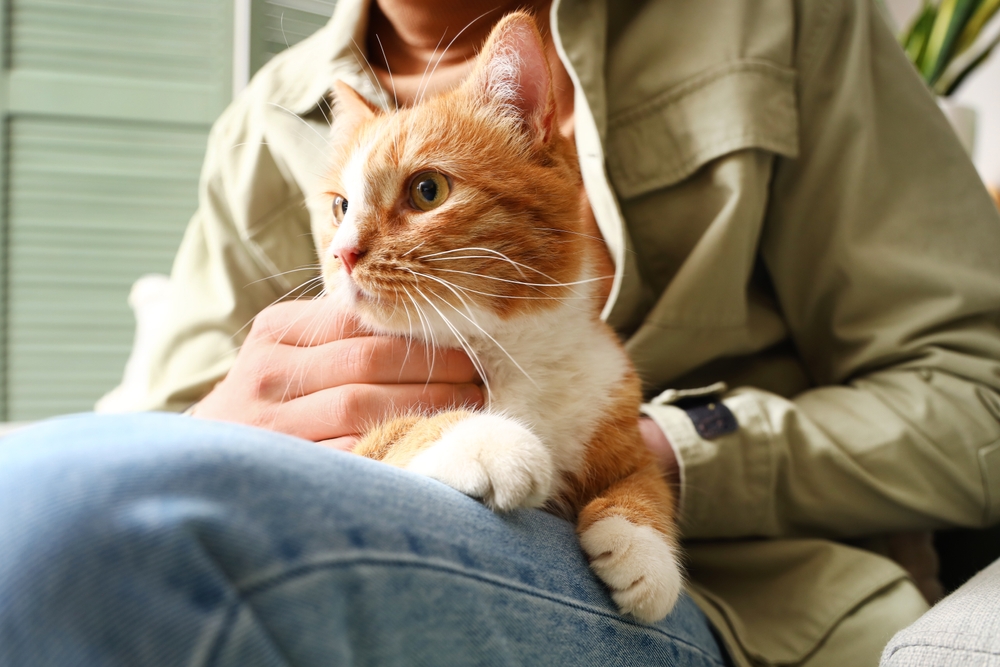
Animal Medical Center & Bird Clinic Of Hollywood has guided kittens through their first year for over two decades in the Hollywood community. Our Fear-Free certified staff uses handling techniques that help young cats build positive associations with veterinary visits, which pays off in calmer, easier appointments for the rest of their lives. We provide routine vaccinations, spay and neuter procedures, deworming schedule management, parasite prevention, and flea and tick treatments all in one place, so you do not have to coordinate kitten healthcare across multiple practices.

Begin Your Kitten’s Health Foundation in Hollywood
Your kitten’s first year sets the tone for their long-term health, and getting the early care right makes a real difference. Contact Animal Medical Center & Bird Clinic Of Hollywood at 954-920-2400, visit us at 521 N Federal Hwy in Hollywood, FL, or book online to schedule your kitten’s first exam and get their care started on the right foot.
Frequently Asked Questions
What if my kitten seems perfectly healthy and active?
Many serious health conditions in young cats show no obvious symptoms until they are well advanced. High energy and a good appetite can actually mask early developmental changes or signs of illness that would be more obvious in an older cat. A professional exam can detect heart murmurs, abnormalities, and other conditions that benefit from early attention, even when your kitten looks completely fine from the outside.
Can I just wait until my kitten is older to start veterinary care?
Waiting misses vaccination windows when maternal antibodies are fading but your kitten has not yet built their own immunity, leaving a gap where serious diseases can take hold. Many routine vaccinations need to be given in a specific sequence with careful timing to be effective, and starting late can mean restarting the series from the beginning. Health problems caught early are also almost always simpler and less expensive to address.
Is the vaccination schedule really necessary if my kitten stays inside?
Indoor kittens still face real exposure risks. People carry pathogens on clothing and shoes, other pets in the home may go outside, and some diseases are durable enough to be introduced on objects. Many feline diseases survive in the environment long enough to be tracked inside without anyone realizing it. Indoor cats also sometimes need emergency care, boarding, or grooming services where contact with other animals, including adoptable cats at shelters, is unavoidable.
How do I know if my kitten is having a bad reaction to vaccines?
Mild lethargy and reduced appetite for a day or two after routine vaccinations is normal and reflects your kitten’s immune system responding appropriately. You should reach out to us right away if your kitten shows persistent vomiting, difficulty breathing, facial swelling, or extreme lethargy lasting more than two days. Severe reactions are uncommon, but our team can adjust future vaccination protocols if your kitten shows sensitivity to a specific vaccine.
What happens if I cannot afford all the recommended care right now?
We understand that kitten healthcare involves real costs in the first year, and we can work with you to figure out what to prioritize based on your kitten’s situation and your budget. Core vaccines, basic screenings, and a deworming schedule are the most important pieces and should not be delayed, but there is often flexibility in how the rest of the care is scheduled. Skipping too much for too long does carry real risk, so let us talk through what makes sense for your specific situation.
