Your pet’s immune system faces constant challenges from viruses and bacteria that can cause serious illness or death. Rabies still kills thousands of animals each year, while canine parvovirus damages the intestinal lining so severely that even pets who survive can face lasting digestive problems. At Animal Medical Center & Bird Clinic Of Hollywood, our licensed veterinarians see how vaccines turn these risks into outcomes that are almost entirely preventable for the pets in our care.
Pet Vaccinations
About Pet Vaccinations
Pet vaccines introduce a controlled form of a disease-causing agent into your pet’s body to trigger immune recognition without causing actual illness. These preparations contain either killed pathogens, live but weakened organisms, or specific proteins that mimic disease threats such as feline herpesvirus, feline calicivirus, Leptospira bacteria, or Bordetella bronchiseptica. Once introduced, your pet’s immune cells create antibodies and memory cells that recognize those specific threats going forward.
The immune memory formed this way allows a fast response when your pet actually encounters the disease. Memory cells recognize the threat and signal antibody production, often clearing the pathogen before symptoms ever develop. This is called active immunity, and it typically lasts months to years depending on the specific vaccine and how your pet’s immune system responds.
Timing for vaccination services follows carefully researched protocols that account for maternal antibody interference in young animals and immune system maturation. Multiple doses are often needed to build strong protection, with boosters keeping immunity up throughout your pet’s life.
Benefits of Pet Vaccinations
Protection Against Diseases That Have No Cure
Canine distemper virus, canine parvovirus, and rabies can kill pets even with intensive treatment because no specific cures exist for these viral infections. Core vaccines prevent these diseases entirely, sparing pets from the organ failure, neurological damage, and pain that characterize these conditions. Immunization is the only reliable way to protect against illnesses that medicine cannot treat once they take hold.
Avoiding Expensive Emergency Treatment
Treating canine parvovirus typically runs $3,000 to $5,000 for hospitalization, IV fluids, and supportive care, with no guarantee of survival. Distemper treatment can involve weeks of intensive nursing that exceeds $8,000. Annual vaccine costs are a fraction of that and provide protection that makes these expenses unnecessary in the first place.
Avoiding Quarantine and Legal Complications
Unvaccinated pets involved in bite incidents can face mandatory quarantine periods of up to six months, often away from their families. Legal liability also increases when unvaccinated pets transmit disease to people or other animals. Keeping a current rabies vaccine on file provides legal protection and keeps your pet home where they belong.
Access to Social Activities and Services
Dog parks, boarding facilities, grooming salons, and training classes all require vaccination proof before accepting pets. These experiences provide mental stimulation and exercise that contribute to your pet’s quality of life. Up-to-date vaccine plans open the door to activities that reduce behavioral problems linked to isolation.
Protecting Vulnerable Animals in Your Community
High vaccination rates create barriers that slow or prevent disease outbreaks from moving through neighborhoods. Your pet’s protection contributes to shielding animals who cannot be safely vaccinated, including newborn puppies, elderly pets with weakened immune systems, and animals undergoing cancer treatment.
Our Pet Vaccination Process
Is your pet ready for vaccination?
Vaccines carry genuine risks that some pet owners need to think through carefully. Pets with autoimmune conditions like lupus or inflammatory bowel disease may experience flares triggered by immune system stimulation. Animals currently on chemotherapy or immunosuppressive medications may not mount effective responses and could actually become ill from modified live vaccines.
Certain breeds, particularly small dogs under ten pounds, show higher rates of reactions including lethargy, appetite loss, and injection site swelling lasting a few days. Some cats develop injection site sarcomas, though these occur in fewer than one in ten thousand vaccinated cats. Pet owners with pets who have had previous severe reactions need to weigh protection benefits against the risk of a serious allergic response.
Very elderly pets or those with terminal illness may not benefit from immunization if their remaining life expectancy is shorter than the time needed to build immunity. These are not decisions you have to figure out on your own. Our licensed veterinarians will walk you through your pet’s individual health picture, explain which core vaccines are worth the risk and which can be skipped or delayed, and help you land on an approach that makes sense for where your pet is in life.
Why Choose Us for Pet Vaccinations
Over Two Decades of Experience in Hollywood
Our pet vaccine clinic has administered thousands of vaccines since opening over 21 years ago, which means our veterinary team has seen a wide range of responses and knows what to watch for when something is not quite right. That experience helps us act quickly when a vaccination appointment reveals a reaction that needs attention.
Fear-Free Certified Techniques
Our Fear-Free certified staff uses specific handling techniques, pheromone therapy, and environmental adjustments to reduce anxiety during vaccination services. This training is maintained through continuing education and makes a real difference for pets who are nervous in veterinary settings.
Multi-Species Care Under One Roof
We provide vaccination services for dogs, cats, birds, and exotic pets, so families with multiple species can coordinate their vaccine plans in one place. Our licensed veterinarians have knowledge of bird and exotic animal health requirements, including feline leukemia virus risks for cats and tick prevention strategies for dogs in South Florida, that gives our veterinary team a broader perspective than practices that see only dogs and cats.
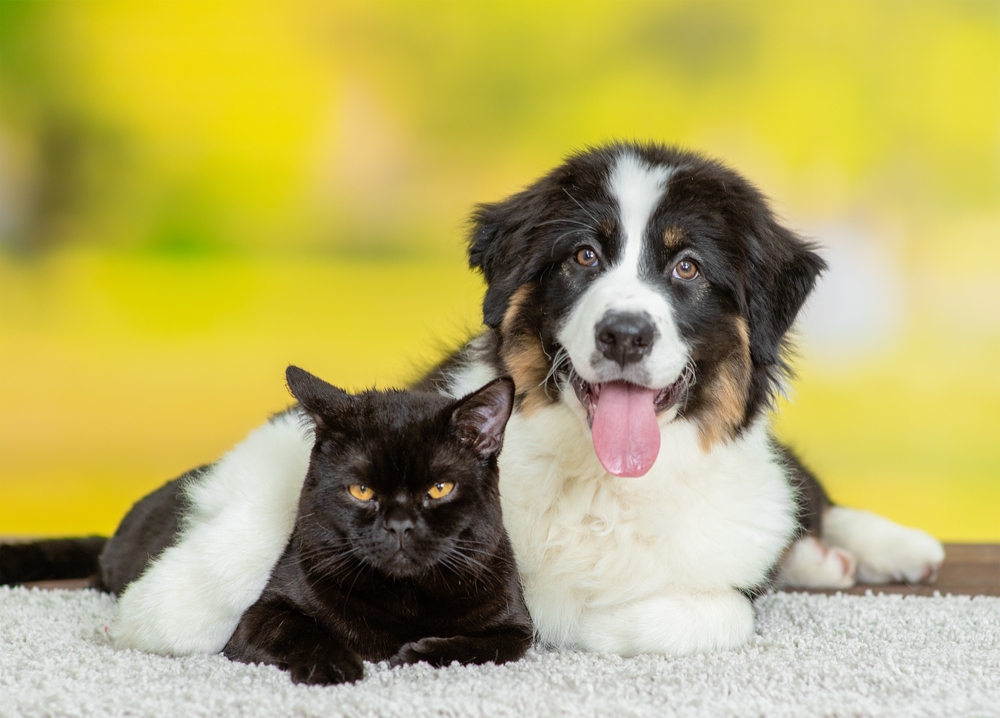
Protect Your Pet From Preventable Diseases
Keeping your pet current on their vaccines is one of the simplest and most impactful things you can do for their long-term health, and our veterinary team makes the process straightforward from start to finish. Contact Animal Medical Center & Bird Clinic Of Hollywood at 954-920-2400, visit us at 521 N Federal Hwy in Hollywood, FL, or book online to schedule your pet’s vaccination appointment. Our veterinary team will walk you through which vaccines make sense for your pet’s age, lifestyle, and health.
Frequently Asked Questions About Pet Vaccinations
Can my indoor cat really get diseases if they never go outside?
Indoor cats can contract airborne viruses like feline calicivirus and feline herpesvirus through open windows, screen doors, or contaminated materials brought in on clothing and shoes. Rabies exposure happens when bats enter homes through small openings, which is more common than most pet owners realize. Core vaccines including the feline distemper shot and rabies vaccine protect against these realistic indoor risks, not just outdoor ones. The feline leukemia vaccine may also be worth discussing depending on any potential exposure risk.
What happens if my pet gets sick right after vaccination?
Mild lethargy, reduced appetite, or soreness at the injection site within twenty-four to forty-eight hours is a normal immune response to vaccination services. Illness occurring within hours of the vaccination appointment may also be coincidental, since many diseases have incubation periods much longer than typical vaccine reaction timeframes. Our veterinary team evaluates each situation on its own to figure out what is actually going on and how to respond.
Do older pets still need vaccines if they have been vaccinated their whole lives?
Senior pets often have declining immune systems that may not maintain protective antibody levels as reliably as younger animals. Some core vaccines provide shorter protection duration in elderly pets, requiring more frequent boosters to stay effective. Older pets also tend to face higher disease risk because age-related health changes make it harder to fight off infections even when they are exposed. Regular wellness exams help us assess whether the full vaccine plan is still appropriate.
Are there alternatives to vaccination for disease protection?
No alternative provides the same level of protection. Limiting contact with other animals reduces exposure risk but eliminates the social experiences that support behavioral health. Nutritional supplements and other approaches may support general immune function but cannot create specific immunity against diseases like rabies or canine parvovirus. There is no substitute for immunization when it comes to these conditions, and no preventive care program is complete without addressing core vaccines.
How do I know if my pet had a vaccine reaction versus normal soreness?
Normal responses include mild swelling at the injection site, slightly reduced activity, and a temporary dip in appetite lasting a day or two after a vaccination appointment. A reaction looks different, involving facial swelling, difficulty breathing, vomiting, diarrhea, or collapse occurring within minutes to hours of the rabies shot or other vaccine. Anything beyond mild soreness and temporary tiredness warrants a call to our veterinary team right away so we can assess what is happening.
