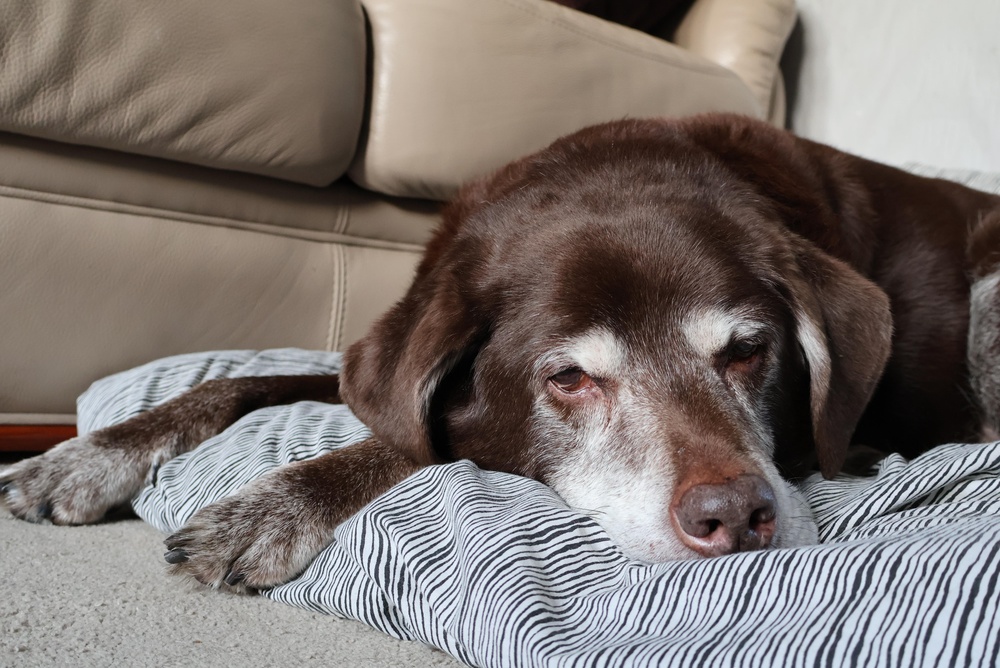
Your senior dog still greets you at the door with enthusiasm, but you have noticed she takes longer to get up from her favorite spot. Your senior cat purrs just as loudly during evening cuddles, but he has been drinking more water lately. These small shifts often mark the beginning of your animal companions’ senior years, when their bodies start changing in ways that call for a different approach to their care.
Senior Pet Wellness

What You Need to Know About Senior Pet Wellness
Senior pet wellness is a proactive approach to preventive care designed specifically for aging animal companions, typically those seven years and older. Rather than waiting for problems to become obvious, this approach uses regular senior pet wellness exams, blood tests, and physical examinations to monitor how your pet’s body is holding up as they age.
The thinking behind it is straightforward. Older animal companions go through body changes that affect their organs, joints, and mental sharpness differently than younger animals. A biochemistry profile and complete blood count can reveal early kidney or liver disease changes before any symptoms appear. Physical examinations catch subtle mobility issues or signs of pain that pets are naturally inclined to hide. And regular check-ins allow us to establish what is normal for your individual pet and notice when something shifts.
Rather than reacting to illness after it develops, senior pet care gives us the best chance of catching things early, when there are more options and outcomes tend to be better.
Benefits of Senior Pet Wellness
Catching Disease Before Symptoms Show Up
Regular blood tests and diagnostic screening identify developing health conditions months or even years before they would become apparent through observable symptoms. Heart disease, liver disease, diabetes, hormone disorders, and kidney conditions frequently progress quietly in their early stages. A complete blood count, biochemistry profile, and physical examination can pick up on these changes when there is still the most room to act, well before organ failure becomes a concern.
Keeping Your Pet Moving Comfortably
A careful look at joint health, muscle condition, and movement patterns during physical examinations reveals mobility issues that pets naturally work around and hide. Catching arthritis, muscle loss, or coordination changes early allows for interventions like laser therapy and gentle exercise recommendations that help your senior dog or senior cat keep moving comfortably and staying involved in the activities they enjoy throughout their senior years.
Supporting Mental Sharpness
We keep an eye on behavioral changes during senior pet wellness exams that may signal early cognitive dysfunction, including shifts in sleep patterns, confusion, or changes in how your animal companions interact with family members. Catching these signs early creates more options for slowing progression through nutrition, enrichment at home, and in some cases medication. Guidance on what to watch for between visits helps owners stay involved in monitoring their pet’s mental health.
Adjusting Nutrition for an Aging Body
Older animal companions need different nutritional support than younger ones, with adjusted calorie levels and nutrients that help maintain organ function and a healthy weight. We look at your senior dog’s or senior cat’s current diet and body condition at each annual exam and give practical feeding guidance based on where they are in their aging process.
Addressing Pain Before It Gets Worse
Pets are remarkably good at hiding discomfort, which means pain often goes unrecognized until it is more advanced. We use careful physical examination to identify pain sources and address them through medication, laser therapy, supplements, or lifestyle adjustments like orthopedic beds and gentle exercise routines. Managing pain early keeps senior pets more comfortable and more engaged with the people they love.
Our Senior Pet Wellness Process
Is senior pet wellness right for you?
Senior pet care requires a real commitment of time and money. Diagnostic blood tests and senior pet wellness exams every six months add up, and finding health issues often means ongoing medication, special diets, or routine adjustments that were not part of life before. Some families find this manageable and worthwhile; others find it a stretch.
Some older animal companions also become more sensitive to frequent veterinary visits, especially those who have always been anxious or who have become more reactive to handling as they age. The hands-on physical examinations and blood tests involved in thorough screening can be harder for these animals, though our Fear-Free approach helps significantly.
It is also worth knowing that senior pet wellness exams sometimes turn up conditions that are not yet affecting your pet’s quality of life but will need monitoring. Some owners find this valuable and prefer to know early; others find it stressful to manage concerns that are not yet causing visible problems. There is no single right answer, and we are happy to talk through what makes sense for your senior dog, senior cat, or other animal companions and your family.
Why Choose Us for Senior Pet Wellness
Our Fear-Free certified staff uses handling techniques that reduce anxiety and stress during physical examinations, which matters more for senior dogs and senior cats who may be more sensitive than they were when younger. Every interaction is designed to make senior pet wellness exams as calm as possible, from how we approach the physical examination to how we collect blood for testing.
With over 21 years serving the Hollywood community, we have a lot of experience managing the health needs of aging animal companions across multiple species. We also offer laser therapy as part of our senior pet care approach, which is especially helpful for managing pain and mobility issues in older dogs and cats. We also care for senior birds and exotic pets whose aging needs are often underserved at traditional practices, which gives us a broader perspective on what aging looks like across different animal companions.

Schedule Your Pet’s Senior Health Assessment
Your aging animal companions deserve care that actually keeps up with where they are in life. Contact Animal Medical Center & Bird Clinic Of Hollywood at 954-920-2400, visit us at 521 N Federal Hwy in Hollywood, FL, or book online to schedule a senior pet wellness exam and talk through what makes sense for your pet right now.
Frequently Asked Questions
How do I know if my pet is having health problems or just getting older?
Normal aging brings gradual changes in energy and some stiffness, but significant shifts in behavior, increased thirst, difficulty getting up, or changes in appetite often point to developing health issues rather than aging alone. Senior pet wellness exams and blood tests help tell the difference between what is normal for your senior dog or senior cat and what is worth treating, so you are not left guessing.
What if the blood work shows something serious but my pet seems fine?
Many serious conditions including heart disease, liver disease, and hormone disorders develop gradually without obvious signs because pets instinctively hide illness. Finding a problem on a biochemistry profile or complete blood count before symptoms appear is actually the best case scenario. It means more treatment options, less invasive interventions, and a better chance at a good outcome than waiting until your animal companions become visibly unwell.
Is it worth putting an older pet through frequent vet visits and testing?
That depends on your animal companions’ condition and what you want for their care. Some owners find real value in catching problems early through regular senior pet wellness exams and maintaining their pet’s health as long as possible. Others prefer a more conservative approach with an annual exam only. The goal is making a clear-headed decision based on your pet’s actual situation rather than a general assumption about what older pets are worth.
Can senior wellness care actually extend my pet's life?
We cannot promise a longer lifespan, but catching and managing age-related conditions early often helps senior dogs and senior cats maintain better quality of life for longer. Many conditions like heart disease or cognitive dysfunction that would have shortened a pet’s life in the past can now be managed well when found early through regular blood tests and physical examinations, keeping animal companions comfortable and active well into their senior years.
What happens if we find multiple health problems during the screening?
Finding multiple issues is actually common in senior pets and does not mean the situation is hopeless. Many age-related conditions including liver disease, hormone disorders, and cognitive dysfunction can be managed at the same time with the right plan. We prioritize the most pressing issues first and build a senior pet care approach that is realistic for your animal companions’ overall condition and your ability to manage care at home.
