Pet owners often face a real decision when their young dog or cat approaches sexual maturity. Spay or neuter surgery is permanent, which means it affects your pet’s health for the rest of their life. At Animal Medical Center & Bird Clinic Of Hollywood, we see how this choice plays out differently depending on breed, size, and individual circumstances. Understanding what the procedures involve and what changes to expect helps you make a decision that actually fits your pet and your family.
Spay and Neuter

What Is Spay and Neuter
Spaying involves surgically removing a female animal’s ovaries and typically the uterus through an abdominal incision. This eliminates the organs responsible for producing eggs and the hormones estrogen and progesterone. Neutering removes a male animal’s testicles through an incision near the scrotal area, stopping testosterone production. In cases where one or both testicles have not descended normally, cryptorchid surgery is required to locate and remove the retained testicle, which carries a higher surgical complexity and may involve an additional complex surgical fee.
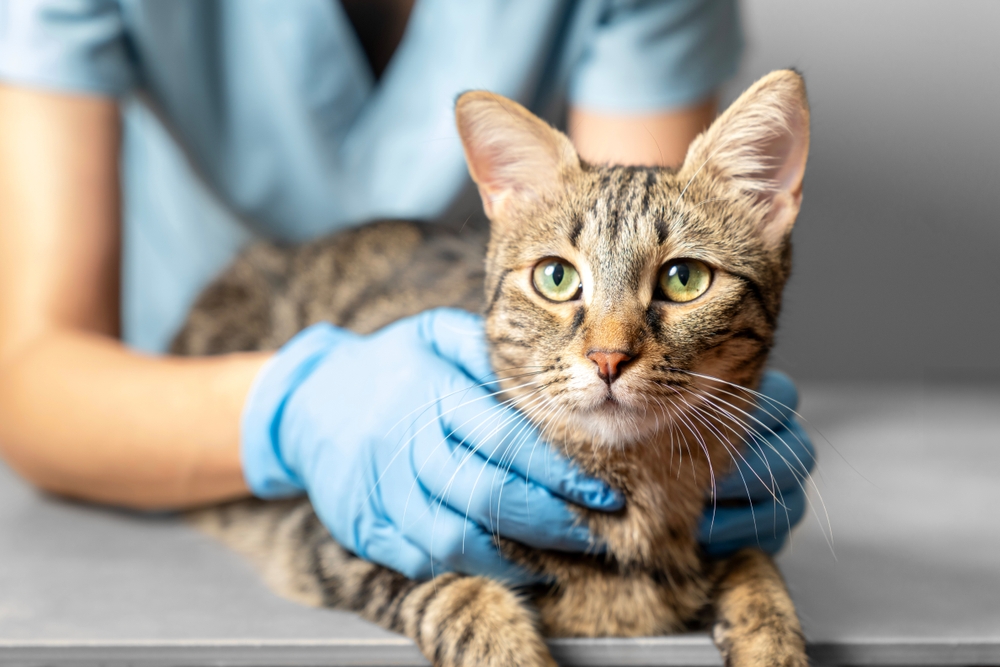
Both procedures require general anesthesia and count as significant surgery. The incision sites heal over ten to fourteen days, during which pets need restricted activity, careful monitoring, and often a protective cone to prevent licking or chewing at the site. These operations permanently change your pet’s hormonal system, affecting not just reproduction but also metabolism, behavior, and disease susceptibility. Once done, they cannot be reversed.
Benefits of Spay and Neuter
Eliminates Reproductive System Cancers
Spaying completely prevents ovarian, uterine, and cervical cancers in female pets and dramatically reduces mammary cancer risk when done before the first female heat cycle. Neutering eliminates testicular cancer entirely and significantly lowers the risk of prostate cancer and benign prostatic hyperplasia in neutered males later in life. These benefits become more meaningful as pets age and can save a significant amount in treatment costs down the road.
Reduces Escape and Roaming Behaviors
Intact pets experience strong biological drives to find mates, which leads to persistent escape attempts, fence jumping, and door dashing that put them at real risk for accidents, fights, and getting lost. Spay or neuter surgery removes the hormonal drivers behind these behaviors, making it much easier to keep pets safely at home. Males also tend to stop the territorial patrolling that leads to confrontations with other animals.
Prevents Pregnancy Complications
Female pets avoid the physical toll of pregnancy, difficult deliveries, and the demands of nursing. Owners avoid the costs and stress of prenatal care, emergency delivery situations, and caring for a litter through weaning. Pregnancy can also create life-threatening complications like eclampsia or reveal underlying health problems that might otherwise go unnoticed.
Reduces Marking and Aggression
Neutered males typically show less urine marking indoors and less aggressive behavior toward other males once testosterone drops. Females avoid the behavioral stress and vocalization that come with heat cycles. These shifts tend to make pets more settled at home and reduce friction in households with multiple animals.
Helps Reduce Pet Overpopulation
An unspayed female can produce multiple litters each year, and their offspring can reproduce within months. Even pet owners with good intentions sometimes struggle to find quality homes for unexpected litters. Every prevented litter means fewer animals competing for spots in shelters and rescue organizations. This is why spay/neuter programs for community and feral cats remain one of the most effective tools for managing pet overpopulation in South Florida.
Our Spay and Neuter Process
Is spay and neuter right for your pet?
These procedures are not the right fit for pets in responsible breeding programs where genetic health testing and careful mate selection are part of the picture. Some large and giant breed dogs may benefit from waiting until their growth plates close before neutering, which can affect orthopedic health, though the research on exact timing is still evolving among veterinary professionals.
Pets with certain heart conditions, bleeding disorders, or serious respiratory problems carry higher surgical risks that need to be weighed carefully. Very young puppies under eight weeks or those under two pounds need more time to mature before anesthesia is safe. Older pets require more thorough pre-surgical workups and carry somewhat higher anesthetic risks.
The procedures cause hormonal changes that slow metabolism, which can contribute to weight gain if diet and exercise are not adjusted. Some owners worry about personality changes, but most behavioral shifts tend to reduce problem behaviors rather than change a pet’s core temperament. If your pet has an active flea problem at the time of surgery, we may recommend a Capstar pill to quickly address adult fleas before the procedure, since flea prevention is part of responsible pre-surgical animal care.

Why Choose Animal Medical Center & Bird Clinic Of Hollywood
Fear-Free Certified Surgical Experience
Our staff has completed Fear-Free certification training focused on reducing anxiety and stress during veterinary procedures. We use pheromone therapy, gentle handling, and thoughtful environmental adjustments to help pets stay calm before, during, and after spay or neuter surgery. This training is ongoing, not a one-time credential, and it genuinely changes how the experience feels for anxious animals.
Two Decades of Surgical Experience in Hollywood
Our on-site veterinary clinic has performed thousands of these surgeries over 21 years in the Hollywood community, building hands-on experience across a wide range of breeds, sizes, and anatomical variations including cryptorchid surgery cases. That track record matters when unexpected situations come up during a procedure.
Care for Rabbits, Ferrets, and Small Mammals
Unlike practices focused only on dogs and cats, we provide medical services for rabbits, ferrets, and other small mammals that need different anesthetic protocols and surgical approaches than traditional pets. Our experience with exotic species means we understand what safe surgery looks like across a wider range of animals, including preventive services like flea prevention and vaccination clinics alongside surgical care.
Schedule Your Pet’s Spay or Neuter Consultation
Deciding when and whether to proceed with spay or neuter surgery is worth talking through with someone who knows your pet’s breed, age, and health status. We can also discuss microchip clinic options, rabies vaccinations including rabies 1-year and 3-year rabies vaccination options, and updated vaccine records at the same time. Contact Animal Medical Center & Bird Clinic Of Hollywood at 954-920-2400, visit us at 521 N Federal Hwy in Hollywood, FL, or book online to set up a consultation.
Frequently Asked Questions About Spay and Neuter
Will my pet gain weight after being spayed or neutered?
The procedures reduce metabolic rate by roughly ten to twenty percent due to hormonal changes, so weight gain is likely if food intake and exercise stay the same. Most pets maintain a healthy weight with slightly smaller portions and continued activity. The weight gain comes from feeding the same amount to a pet that now needs less, not from spay or neuter surgery itself.
How do I know if my pet is too old for this surgery?
Age alone does not rule out surgery, but older pets need a more thorough pre-surgery examination including blood panels, and sometimes chest x-rays or heart monitoring. Senior pets carry higher anesthetic risks and tend to heal more slowly, but many still benefit from cancer prevention and behavioral improvements. We look at individual health status rather than drawing a hard age line.
What if my pet has complications during surgery?
Serious complications in routine spay or neuter surgery are uncommon, occurring in fewer than one percent of cases, though risk goes up with age, obesity, or existing health conditions. Our surgical team maintains emergency protocols, IV catheter and fluids access, and monitoring equipment throughout every procedure. Pre-surgical screening identifies most risk factors before anesthesia ever begins.
Can I let my pet have one litter before spaying?
Allowing even one heat cycle or pregnancy increases mammary cancer risk in females and provides no documented health benefit. Pregnancy and delivery carry real risks including life-threatening complications like dystocia or eclampsia. Each female heat cycle also makes the spay procedure somewhat more involved due to changes in blood vessels and surrounding tissue.
How long does recovery really take?
Most pets return to normal eating and bathroom habits within one to two days, though activity restrictions stay in place for ten to fourteen days until the follow-up appointment. Neutered males typically bounce back faster than females because the procedure is less invasive. Some pets are a little sleepy or subdued for a few weeks as hormone levels adjust. Keep the protective cone on throughout the healing period to prevent your pet from interfering with the incision site.
