Your cat suddenly drops food while eating, or your dog turns away from their favorite chew toy. These small changes often point to dental problems that have been building quietly for months. Most pet owners do not realize that the majority of dogs and cats show signs of gum disease by age three, and the condition tends to progress without obvious symptoms until it has become serious. At Animal Medical Center & Bird Clinic Of Hollywood, we see regularly how untreated dental issues lead to health complications that could have been caught and addressed much earlier.
Pet Dentistry
What Is Pet Dentistry
Pet dentistry services cover the diagnosis, treatment, and prevention of diseases affecting your animal’s teeth, gums, and the structures that support them. It starts with periodontal disease, which begins when bacteria in plaque release toxins that break down the tissue holding teeth in place, often leading to bleeding gums and discomfort before owners notice anything is wrong. Unlike human dental care, veterinary dentistry requires general anesthesia because pets cannot be asked to stay still during procedures that involve sharp instruments and ultrasonic equipment.
Professional veterinary dental practices include scaling to remove calculus, root planing to smooth tooth surfaces below the gum line, and more involved treatment when disease has progressed significantly. Dental radiographs reveal problems that are invisible during a visual exam, like tooth root abscesses or retained tooth roots. The field also covers oral surgery and treatment of oral tumors or injuries to the mouth and jaw.
Benefits of Pet Dentistry
Prevents Bacterial Infections From Spreading
Oral bacteria can enter the bloodstream through diseased gums and attach to heart valves, triggering dangerous infections. Those same bacteria can also affect the liver, kidneys, and other organs over time. Professional teeth cleanings at our animal hospital remove the bacterial buildup in your pet’s mouth before it has a chance to cause problems elsewhere in the body.
Eliminates Chronic Pain Pets Are Good at Hiding
Dental disease is painful, and pets are wired to hide discomfort. Infected tooth roots, bleeding gums, exposed nerves, and inflamed tissue can cause ongoing pain that affects how your pet sleeps, eats, and engages with the world around them. Many owners notice a real shift in their pet’s personality after veterinary dentistry treatment, with previously withdrawn or irritable animals becoming more like themselves again.
Preserves Jaw Function and the Ability to Eat Normally
Advanced gum disease can lead to tooth loss, bone deterioration, and changes to the mouth structure that make eating and drinking difficult. Treating dental health problems in their earlier stages preserves the structural integrity of your pet’s jaw and keeps them able to chew properly. That matters more as pets age and need to maintain adequate nutrition to stay healthy.
Reduces the Risk of Jaw Fractures in Smaller Dogs
Severe periodontal disease weakens jaw bones by breaking down the structures around tooth roots. Small dogs are especially vulnerable to fractures that happen during normal activities like chewing. Regular dental exams and early treatment help prevent fractures that would otherwise require surgical repair.
Catches Oral Cancer Early
Dental exams give veterinary dentists the chance to spot oral tumors, unusual lumps, and abnormal tissue changes that could indicate cancer. Finding these early, when a full exam under anesthesia is possible, significantly improves the odds of successful treatment. Many oral cancers are identified during routine pet dentistry services that allow a thorough look at the entire mouth.
Our Pet Dentistry Process
Is pet dentistry right for your pet?
Pet dentistry services require general anesthesia, which carries risks that go up with age and existing health conditions. Pets with serious heart disease, kidney failure, or other significant medical issues may not be good candidates for anesthetic procedures, and we will always have an honest conversation about that before moving forward.
Anesthesia-free dental cleanings offered by some groomers or mobile services only address surface tartar and cannot treat the gum disease developing below the gum line. They can create a false sense of security while allowing real dental health problems to keep progressing. If cost is a concern, we are happy to talk through payment options and help you figure out which treatments are most urgent for your pet right now.
Very young pets rarely need dental procedures unless there is a specific problem like retained baby teeth or a mouth injury. But waiting too long to address dental health concerns in adult pets usually means more involved and more expensive treatment than catching things earlier would have required.
Why Choose Us for Pet Dentistry
Over Two Decades of Dental Care in Hollywood
Animal Medical Center & Bird Clinic Of Hollywood has been providing pet dentistry services for over 21 years. That adds up to a lot of cases, from routine teeth cleanings to more complex oral surgeries and tooth extractions, and a clear picture of what happens when dental disease goes unaddressed for too long. Early intervention is almost always better, and experience has made us good at identifying when it is needed.
Fear-Free Certified Staff
Our Fear-Free certified team uses proven techniques to lower anxiety during dental exams and procedures. We know that veterinary clinics can be stressful for pets, so we use pheromone therapy, gentle handling, and a calm approach throughout the visit to make the experience as manageable as possible. A less stressed pet is safer under anesthesia and easier to care for during recovery.
Digital Radiography for Accurate Diagnosis
We use modern dental radiograph equipment that gives us detailed images of your pet’s teeth and jaw bones. This technology lets our veterinary dentists make decisions based on what is actually happening inside your pet’s mouth rather than relying on what is visible on the surface, which often tells only part of the story.
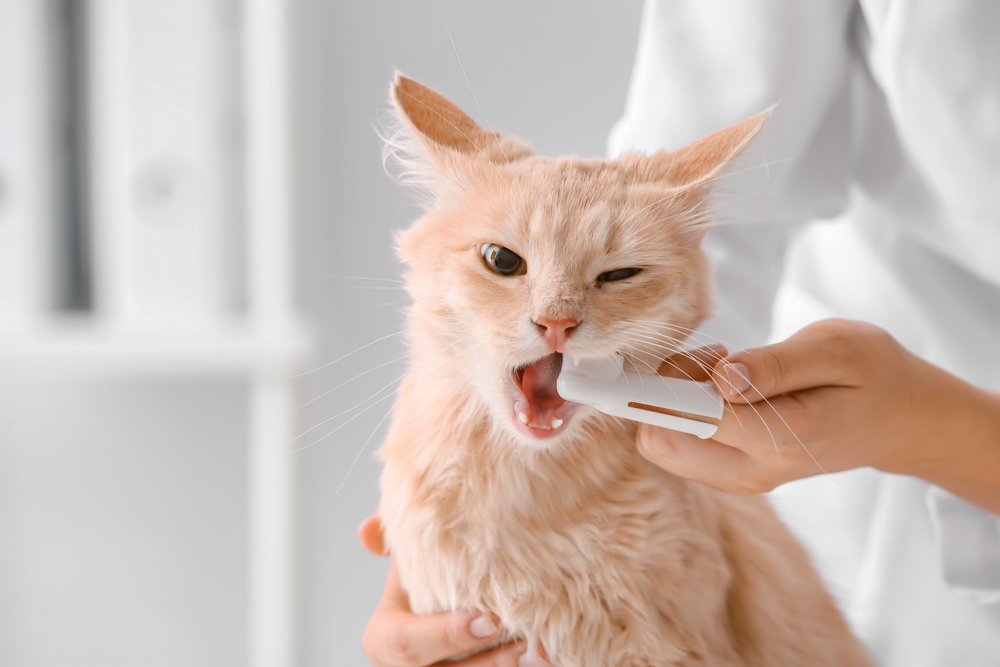
Schedule Your Pet’s Dental Evaluation in Hollywood
Do not wait until your pet is showing obvious signs of oral pain or bleeding gums. Our team at Animal Medical Center & Bird Clinic Of Hollywood can evaluate your pet’s dental health and walk you through what level of care makes sense for where they are right now. Call us at 954-920-2400, visit us at 521 N Federal Hwy in Hollywood, FL, or book an appointment online.
Frequently Asked Questions
How do I know if my pet's breath is bad enough to need dental care?
Healthy pets should not have noticeably offensive breath, so any persistent bad smell is worth taking seriously. Sweet or fruity odors can point to diabetes, while a very foul smell often indicates advanced gum disease or a tooth root infection. Even mild bad breath suggests plaque buildup that will keep getting worse without professional dental exams and treatment.
What happens if I cannot afford dental treatment right now?
Putting off pet dentistry services allows disease to keep progressing, which typically means more involved and more expensive treatment down the road. Some pets develop infections serious enough to require emergency intervention that costs significantly more than routine teeth cleanings would have. We can talk through payment options and help you think through which treatments are most pressing for your pet’s comfort and dental health.
Will my pet's personality change after dental treatment?
It is actually pretty common. Many pets become noticeably more active and engaged after veterinary dentistry treatment because chronic pain has been resolved. Animals that seemed quiet, withdrawn, or irritable often return to their usual selves once oral discomfort is gone. Some owners are genuinely surprised by how much their pet’s behavior changes, which says a lot about how well pets hide what they are going through.
Is it normal for my pet to lose teeth during a dental cleaning?
Tooth extractions during a dental procedure typically involve teeth that are severely diseased and causing real pain, even if your pet has not been showing obvious signs. Removing them gets rid of the infection source and brings relief. Most pets adapt quickly and can still eat normally, including dry food, once the extraction sites have healed.
How can I prevent dental problems between professional cleanings?
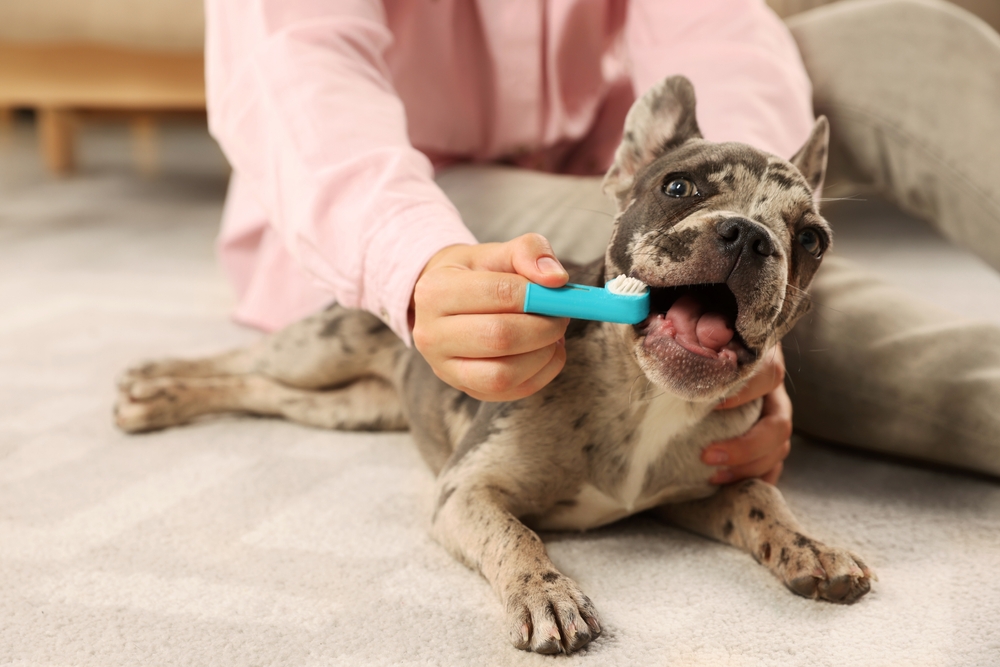
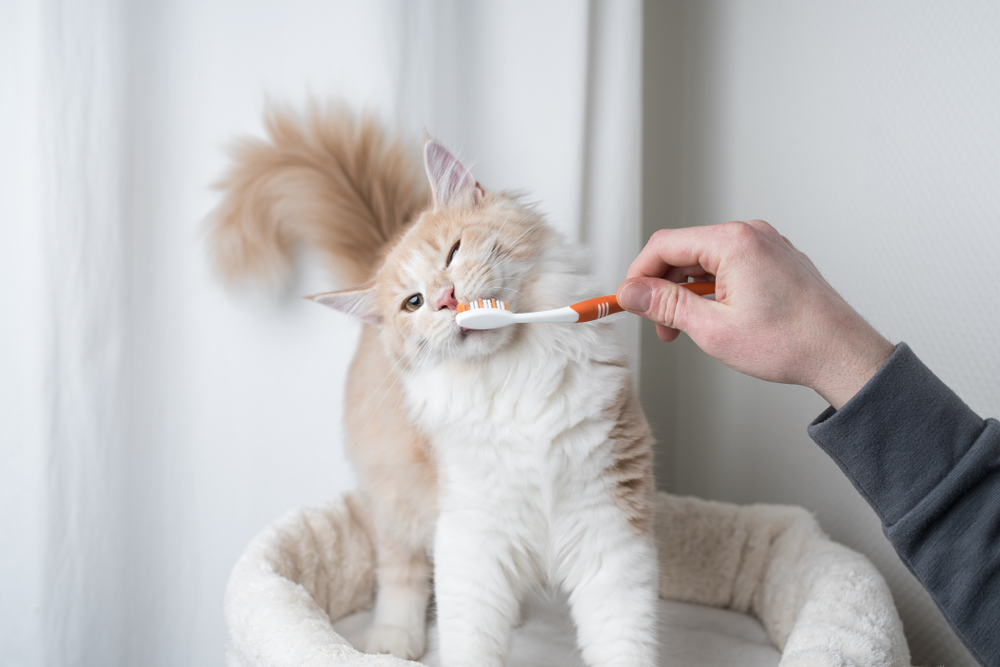
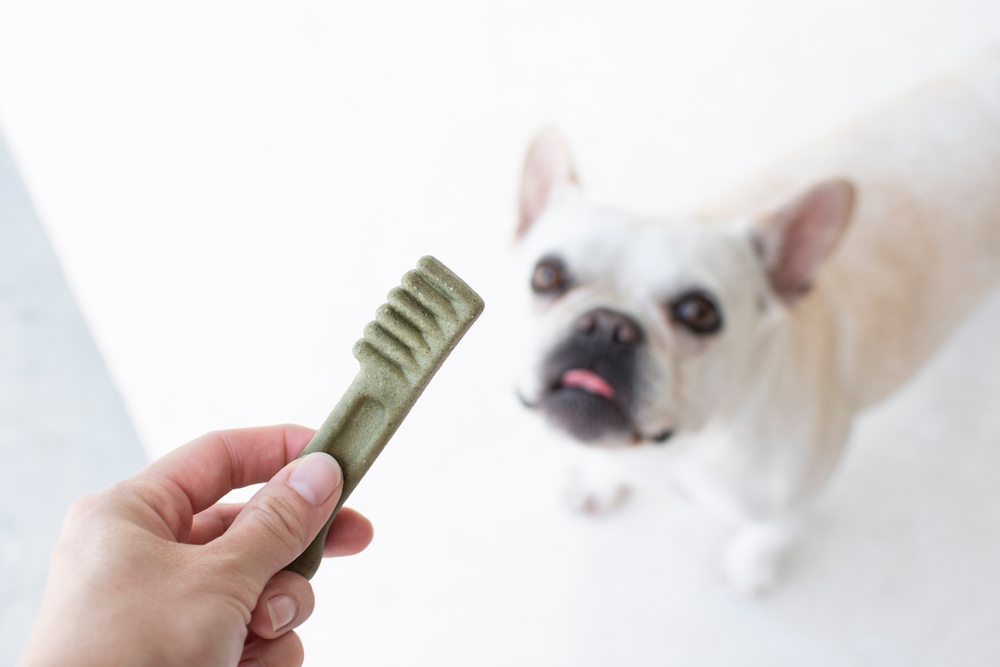
Regular brushing with pet-safe toothpaste is the most effective thing you can do at home for your pet’s dental health, though many pets need some time to get used to it. Dental chews and water additives can help reduce plaque between visits but are not a substitute for professional teeth cleanings. Starting home dental care early in your pet’s life makes the routine easier to maintain and can stretch out the time between dental exams.
